How much do solar panels cost in Wales?
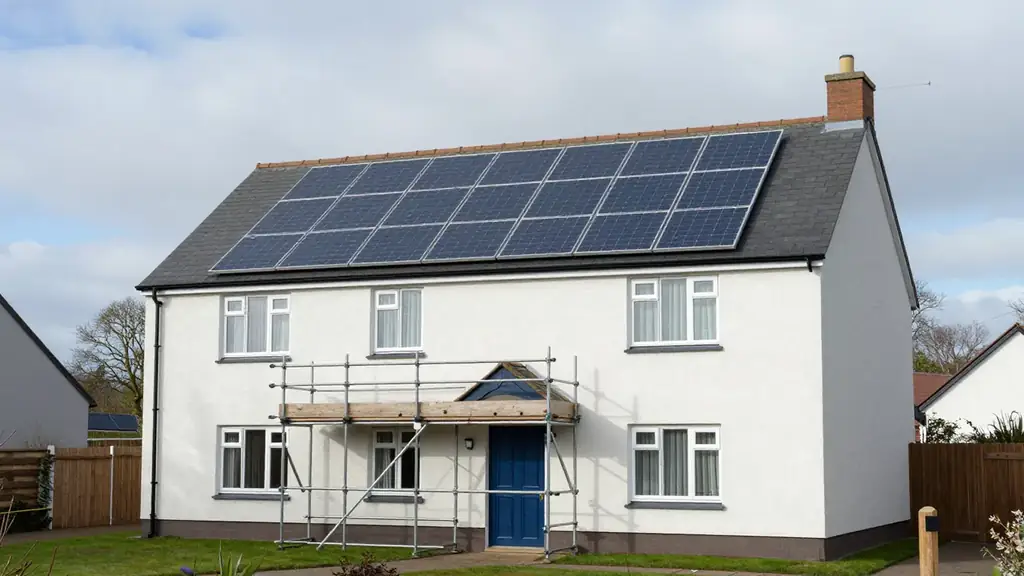
A typical home solar system in Wales costs roughly £6,500 to £8,800 before any battery. That range covers a system of about 4.5 kWp, which means around 12 panels and 20 to 30 square metres of roof. It comes from government cost data and the Energy Saving Trust. Your own quote will land inside or near it, because roof and installer both affect the price.
What the official figures say
The Department for Energy Security and Net Zero publishes cost data from MCS records. For 2025-26, the Welsh average was £1,838 per kilowatt for systems under 4 kW. For systems between 4 and 10 kW, the Welsh average was £1,424 per kilowatt. Across Great Britain, the middle figure was about £1,550 to £1,600 per kilowatt.
Those figures include VAT where it applied, but they exclude batteries. The Welsh numbers cover homes and businesses together. For a rough guide, plan on about £1,400 to £1,950 per kilowatt.
Multiply that by 4.5 and you reach the range above. The Energy Saving Trust gives an average of £7,600 for a 4.5 kWp home system, which sits inside it. Costs also fell in 2025-26. After inflation, the middle cost dropped 7% for smaller systems and 9% for mid-sized ones, while installs hit a record.
What pushes a quote up or down
Size matters most, although it is not the only factor. Fixed costs such as scaffolding and the inverter do not grow in step with the panel count. As a result, a larger system usually costs less per kilowatt, as the Welsh figures above show. Our post on how many solar panels you need helps you pick a size.
Your roof also changes the price. For example, a simple pitched roof with clear access is cheaper to fit than a complex roof with several faces. Slate roofs need careful fixings, and listed homes need planning permission. For a closer look, read our guide to fitting panels on a Welsh slate roof.
Equipment choices count too. Power optimisers or microinverters can limit losses when shade falls on part of the array. However, they add nothing on an unshaded roof. Ask each installer to name the exact kit so you can compare like with like.
Adding a battery
A home battery costs around £5,000 to £8,000 according to the Energy Saving Trust. Which? puts the full spread at under £2,000 up to £10,000, depending on size, type and brand. A battery fitted with new panels usually costs less than one added later.
Batteries also qualify for 0% VAT. A battery fitted with new panels gets the same VAT rate as the panels. Whether it pays back depends on how you use power. We cover that in detail in our battery payback guide, and you can compare options on our solar battery storage page.
What you can save
The Welsh Government says households with solar save over £500 a year on average. The UK Government’s Warm Homes Plan gives an example of about £450 a year. That home is a three-bedroom mid-terrace with solar and a battery. So a fair planning figure is around £450 to £500 or more a year. The result depends on how much of the power you use yourself.
Using your own power is worth more than selling it. The Ofgem price cap from October to December 2026 averages about 26p per kWh for electricity. In contrast, Ofgem’s 2024-25 report found an average export payment near 4.4p on untied tariffs. That is a comparison of two Ofgem figures from different periods, but the gap is clear.
Payback varies by place. The Energy Saving Trust estimates around 9 to 10 years in Aberystwyth, depending on whether someone is home during the day. We do not have a figure for other Welsh towns, so treat that as a guide for mid Wales only.
Price checks by area
Output differs across Wales, so your payback differs too. A south-facing roof at 35 degrees makes about 820 to 1,060 kWh a year per kWp, depending on the place. Our yield guide explains the regional figures.
If you live in the south, compare quotes from solar installers serving Cardiff and firms covering the Swansea area. In the north east, see installers around Wrexham. Compare at least three quotes before you choose.
Ways to cut the cost
Help depends on who you are, since schemes target different households. Warm Homes Nest can fund a package for eligible low-income homes, and solar may be part of it. Green Homes Wales, run by the Development Bank of Wales, offers interest-free loans of £1,000 to £25,000 to owner-occupiers. We explain both in our Welsh solar funding guide and in our free solar panels explainer.
Timing matters as well. VAT on home installs is 0% until 31 March 2027, then it is due to rise to 5%. If a quote is close, that date may push you to order sooner. Do not rush into a deal, though, because pressure tactics are a warning sign.
Running costs after you buy
Solar needs little upkeep. However, plan for two items. Inverters usually need replacing after about 12 years. Cleaning is rarely needed where panels tilt at 15 degrees or more, since rain does most of the work. Our guide to keeping panels clean in a wet climate covers the routine checks.
How to judge a quote
However you compare, a good quote names the panels and inverter, gives a kilowatt rating, and states the expected yearly output. MCS rules require a written performance estimate that shows orientation, tilt and shading. Check that the installer is MCS certified and ask how the firm protects deposits. Our guide to choosing an installer in Wales lists the questions to ask.
You can also request quotes through our form. We are an independent guide and referral service, not an installer. We pass your enquiry to MCS-certified installers, and you decide whether to go ahead. For the wider picture, start at our solar panel installation page.
Frequently asked questions
Is the price per kilowatt lower for a bigger system?
Does the price include a battery?
Will VAT change on solar panels?
Can I get help paying for solar in Wales?
Ready to compare installer quotes?
Our quote service is free and opt-in. You fill in a short form, and the operator looks for MCS-certified installers near your postcode. Nothing reaches an installer until you ask, so you stay in control.